
Houston Eye Associates ophthalmologist Dr. Fiaz Zaman, M.D., F.A.C.S., presented new research at the American Academy of Ophthalmology (AAO) 2026 Annual Meeting, held October 9 to 12 in New Orleans. He shared interim 12-month results from an early clinical trial of a lens implant that releases glaucoma medication on its own, placed during routine cataract surgery.
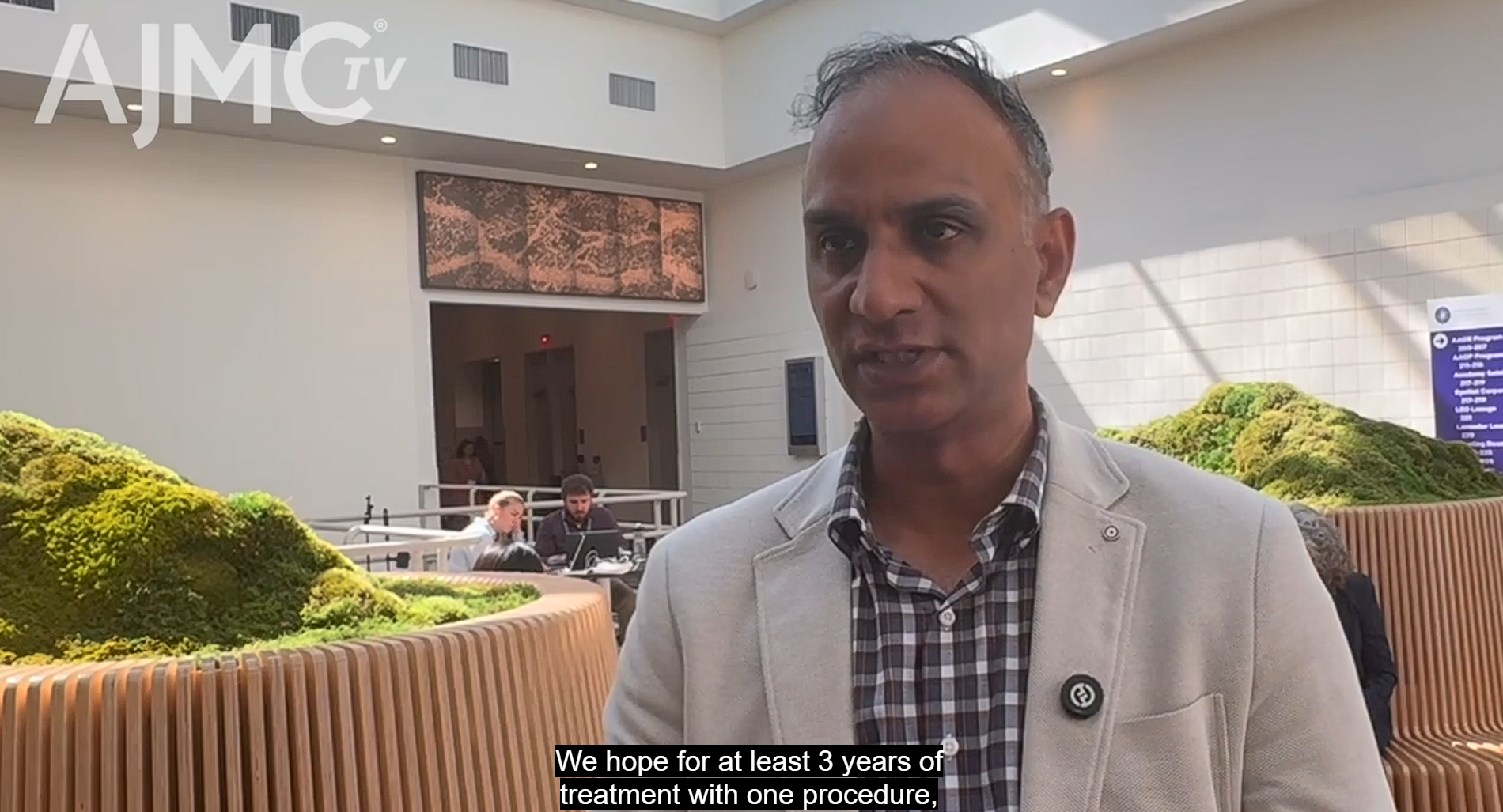
Dr. Zaman later discussed the findings in a video interview with The American Journal of Managed Care (AJMC). We are proud to see one of our surgeons helping lead research that could one day make life easier for patients living with glaucoma.
What Is the BIM-IOL System?
During cataract surgery, the eye's cloudy natural lens is replaced with a clear artificial lens, called an intraocular lens (IOL). The Bimatoprost Drug Pad-IOL (BIM-IOL) System, developed by SpyGlass Pharma, adds two small pads to that lens. The pads slowly release bimatoprost, a common glaucoma medication, directly inside the eye.
The phase 1/2 trial included 104 patients with mild to moderate open-angle glaucoma or ocular hypertension (high eye pressure). Each patient was randomly assigned to one of two BIM-IOL doses, or to a standard lens plus timolol glaucoma drops for comparison.
What the 12-Month Results Showed
After one year, the lens lowered eye pressure by about 35%, and nearly all patients in the higher-dose group no longer needed glaucoma drops. Highlights Dr. Zaman shared:
-
Eye pressure: Average pressure dropped by about 9 mm Hg, roughly 35%, which was similar to the group using timolol drops. Dr. Zaman noted that doctors typically look for at least a 25% to 30% drop when starting glaucoma treatment.
-
Freedom from drops: 98% of patients in the higher-dose group were medication-free at 12 months.
-
Vision: Every treated eye reached corrected distance vision of 20/32 or better.
-
Safety: There were no serious side effects and no follow-up surgeries needed. Loss of the cells lining the cornea was similar to what is seen with routine cataract surgery.
Why This Matters for Glaucoma Patients
Glaucoma treatment works only if patients use their drops every day, and that is hard to keep up for years. Dr. Zaman explained that the top reason glaucoma gets worse is "noncompliance with medication or nonadherence." A lens that delivers medication on its own could take that daily burden off patients.
Because the BIM-IOL sits where a standard cataract lens goes, rather than in the eye's drainage angle, it leaves room for other glaucoma surgeries later if a patient needs them. Dr. Zaman said patients who need cataract surgery and already use a glaucoma drop, such as a prostaglandin analogue, could be candidates.
What Comes Next
The BIM-IOL System is still investigational. It is not FDA approved and is available only through clinical trials. The biggest open question is how long one lens keeps working; Dr. Zaman said the goal is at least three years of treatment from a single procedure, and the early data look promising. We will share updates as the research moves forward.
Glaucoma and Cataract Care at Houston Eye Associates
Dr. Zaman's research reflects the expertise our surgeons bring to every patient. If you have glaucoma or high eye pressure and are starting to notice cataract symptoms, such as cloudy vision, glare or trouble seeing at night, our doctors can talk with you about the options that fit you today.
To schedule an appointment with Dr. Fiaz Zaman at our Gramercy and Tanglewood locations, visit his page and self-schedule an appointment or call (713) 668-6828.
Click the link below to watch the full interview: